WHY IS ONLY ONE OF MY NEW TRIPLE-PANE WINDOWS FOGGY?


You recently invested in high-efficiency, new triple-pane windows. One cool morning, you look outside and notice something strange: only one of your new windows is covered in condensation, while the rest are perfectly clear.
Is something wrong with your brand-new window installation?
In most cases, no. In fact, exterior window condensation is often proof that your new energy-efficient windows are doing their job exceptionally well.
First, Where Is the Fog?
The answer depends entirely on where the condensation appears on the glass.
Condensation on the Outside of the Glass (Normal)
If the moisture is on the exterior surface, congratulations—your window is performing at peak efficiency.
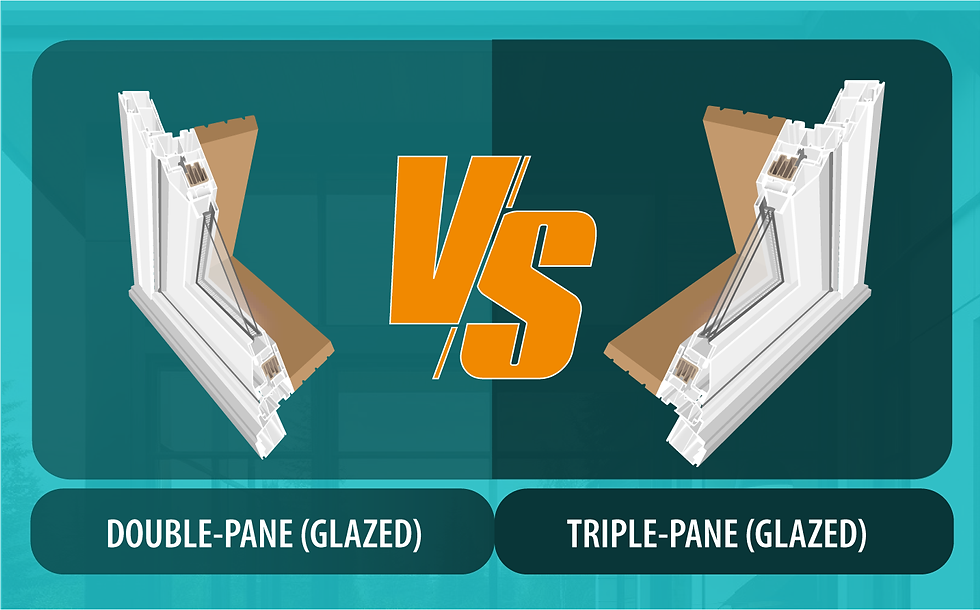
Modern triple-pane windows provide superior thermal insulation, keeping heat inside your home. Because heat isn't escaping through the glass, the exterior pane stays cool. When warm, humid morning air hits that cold glass surface, moisture condenses—just like water droplets forming on a cold glass of iced tea in the summer.
Characteristics of exterior window condensation:
Usually appears in the early morning.
Disappears as the sun warms the glass.
Is completely normal.
Indicates excellent energy efficiency.
Why Is Only ONE Window Foggy?
This is the question we hear most often.
Even if all of your windows were installed on the same day and are exactly the same model, every window experiences slightly different conditions.
Here are a few reasons why one window may develop exterior condensation while the others don't.
1. It Faces a Different Direction
A north-facing window receives less direct sunlight and stays cool longer.
A south- or west-facing window warms up rapidly in the early sun, causing condensation to evaporate fast.
2. Overhead Protection and Sky Exposure
Windows with a clear, unobstructed view of the night sky lose heat rapidly through radiation.
Windows protected by roof overhangs, porches, decks, or large trees stay slightly warmer.
3. Micro-Air Movement
A slight breeze across one side of the house can dry moisture instantly.
Sheltered architectural corners trap stagnant air, allowing humidity to linger.
4. Nearby Landscaping and Micro-Climates
Shrubs, garden beds, grass, and automatic sprinklers increase local moisture levels.
A window positioned directly above a watered flower bed will fog more frequently than one above a concrete driveway.
5. Tiny Temperature Differences
Glass surface temperatures can vary by just a fraction of a degree between window openings, which is all it takes for condensation to form on one pane and not the other.
What About Fog BETWEEN the Glass Panes? (Warning Sign)
Important: Exterior condensation is completely different from condensation trapped inside the window unit.
If the moisture appears inside the sealed glass unit (between the panes) and you cannot wipe it away from either the inside or outside, it indicates a failed insulated glass unit (IGU) seal.
Signs of a failed window seal include:
Persistent fog trapped permanently inside the glass.
Water droplets or mineral streaks between the panes.
A hazy appearance that never clears up in the sun.
Unlike harmless exterior condensation, internal fog is not normal and should be addressed immediately under your window manufacturer warranty.
Should I Be Worried?
In almost all cases involving exterior moisture, no.
Many homeowners panic because their drafty old windows never fogged up. However, older windows wasted energy by letting indoor heat leak outside, warming the exterior glass and preventing condensation. Ironically, the better your window insulation, the more likely you are to see exterior morning condensation.
The Bottom Line
If only one of your new triple-pane windows is foggy on the outside during a cool morning, your home is fine and your window is secure. Varying exposure to sunlight, wind patterns, landscaping, and overhangs creates distinct micro-climates for every opening.
As long as the moisture is on the outside surface and disappears naturally as the day warms up, your windows are performing perfectly. If you suspect moisture is trapped between the panes, contact your window installer for a warranty inspection.
Have Questions About Your New Windows?
Not sure whether the condensation you're seeing is normal?
At Contempo Renovations, we're happy to help homeowners understand how modern energy-efficient windows perform in Calgary's changing climate. If you're considering replacing your windows or have questions about your existing ones, contact us for honest advice and expert guidance.